
Blizzard of March 2026: Unwavering Commitment in the Face of Financial and Operational Challenges
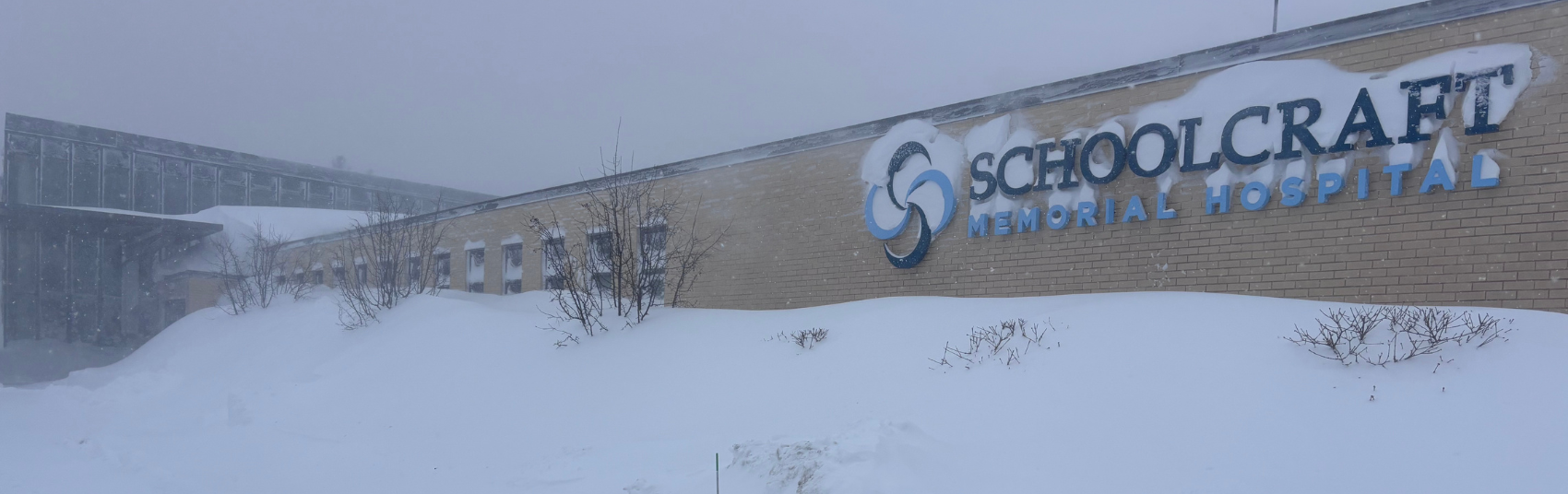
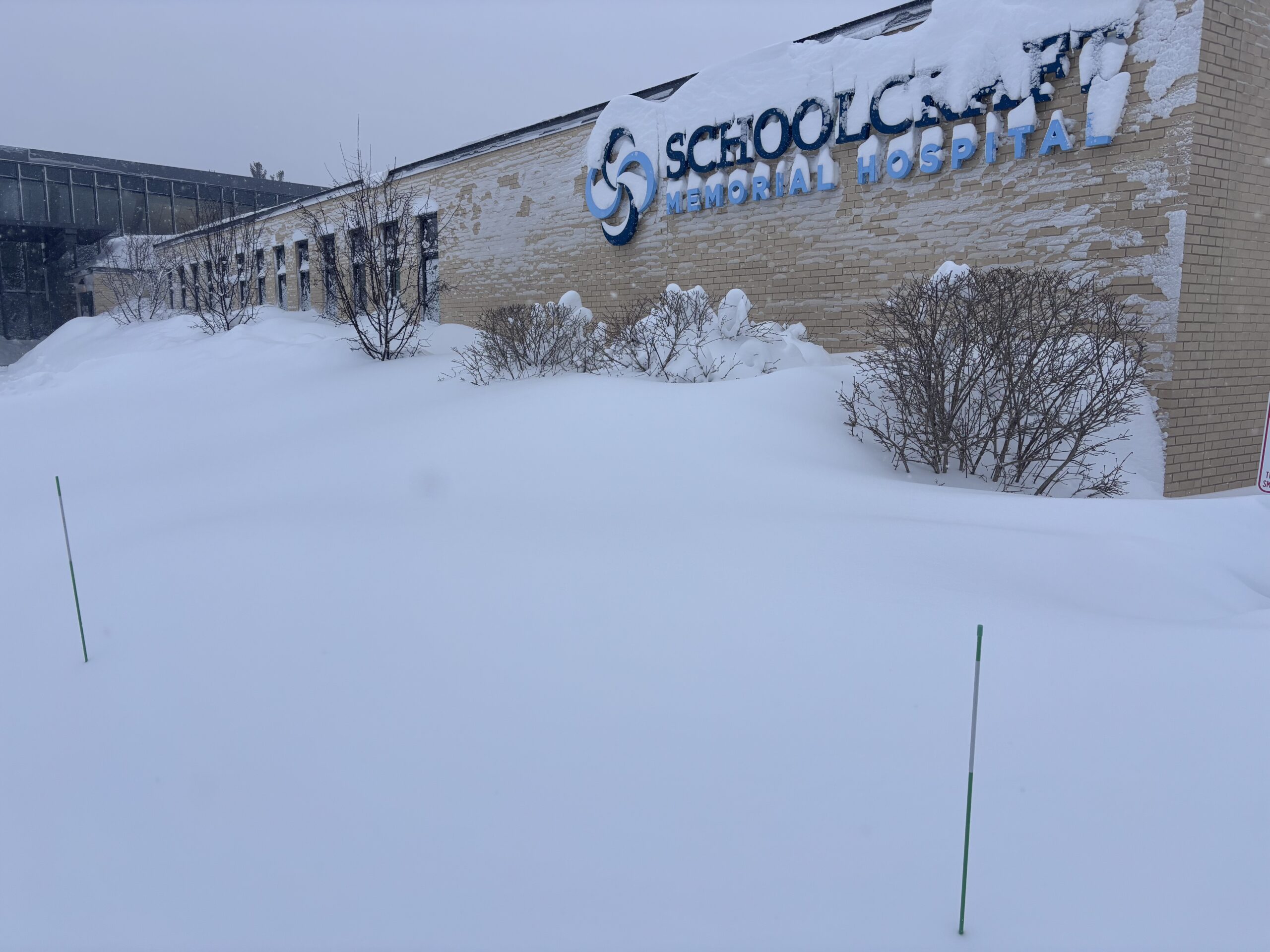
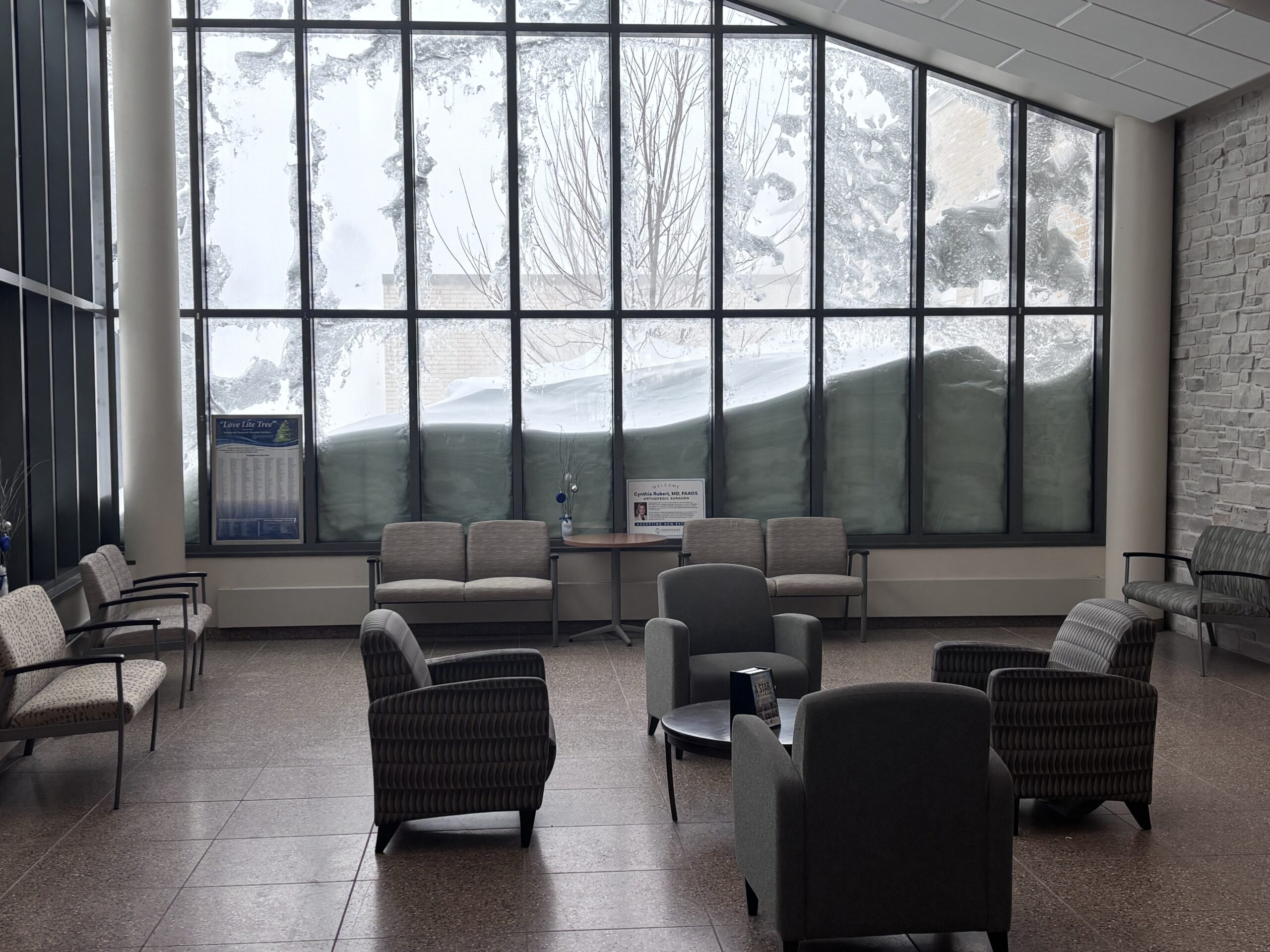
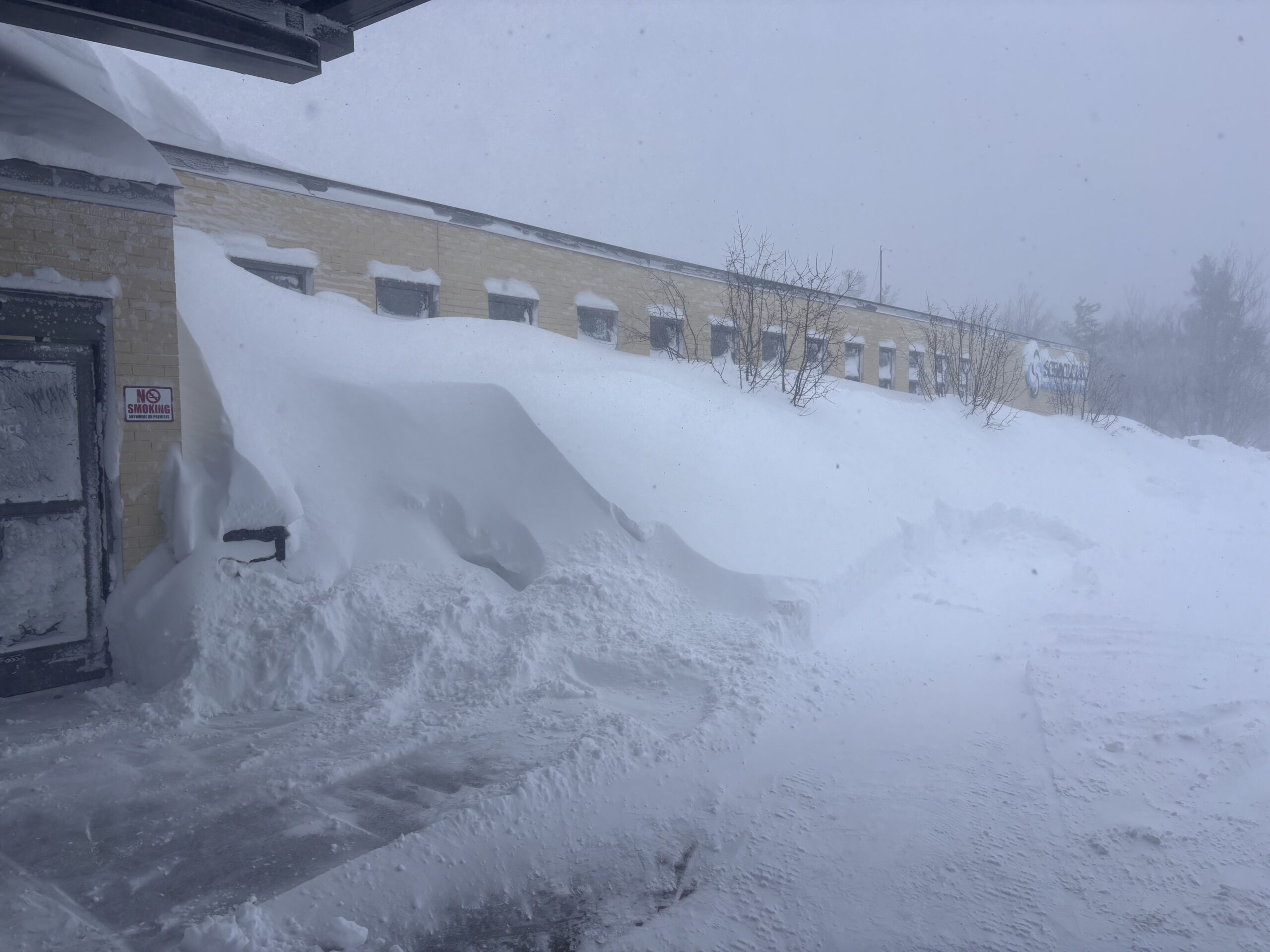
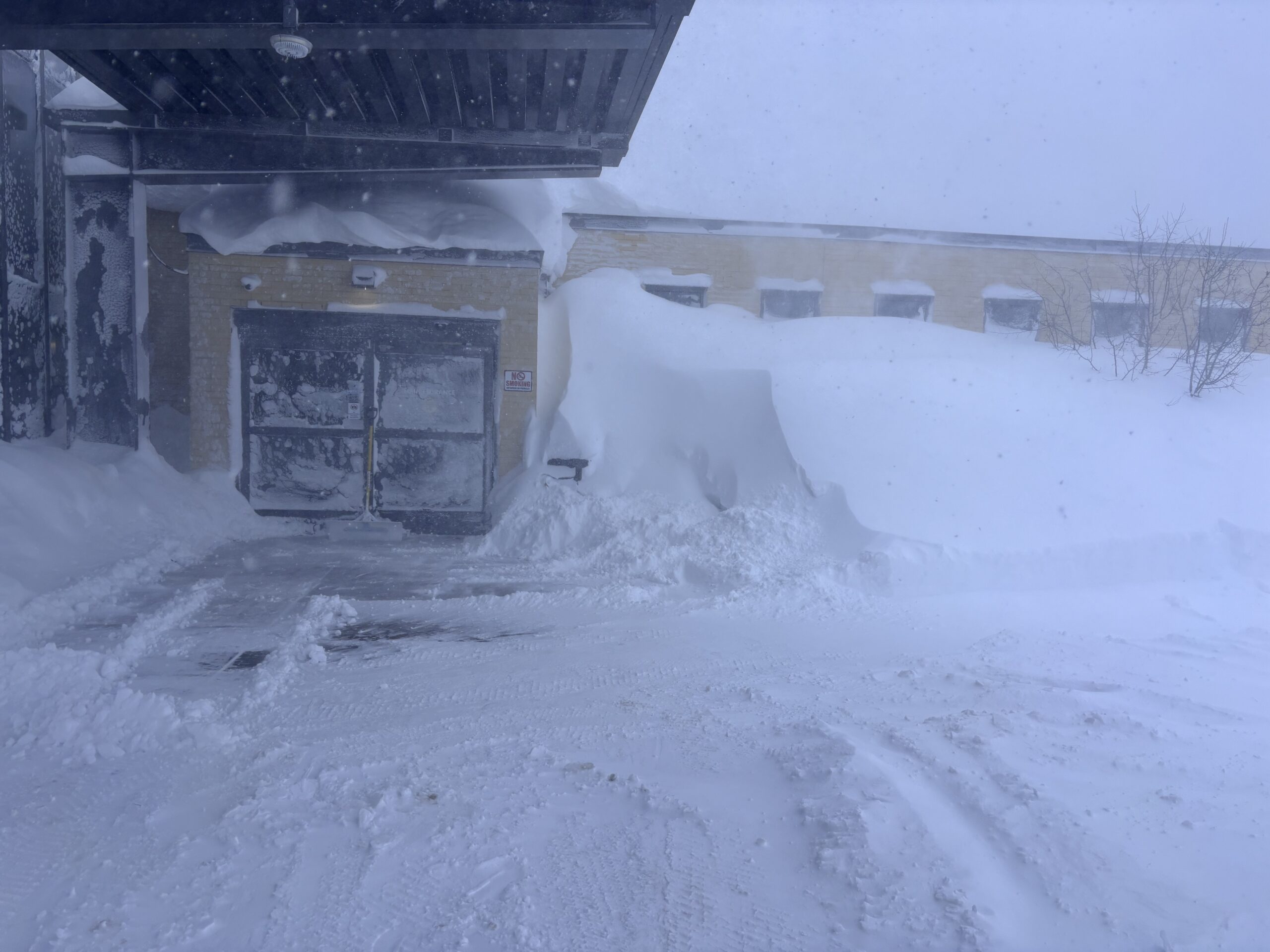
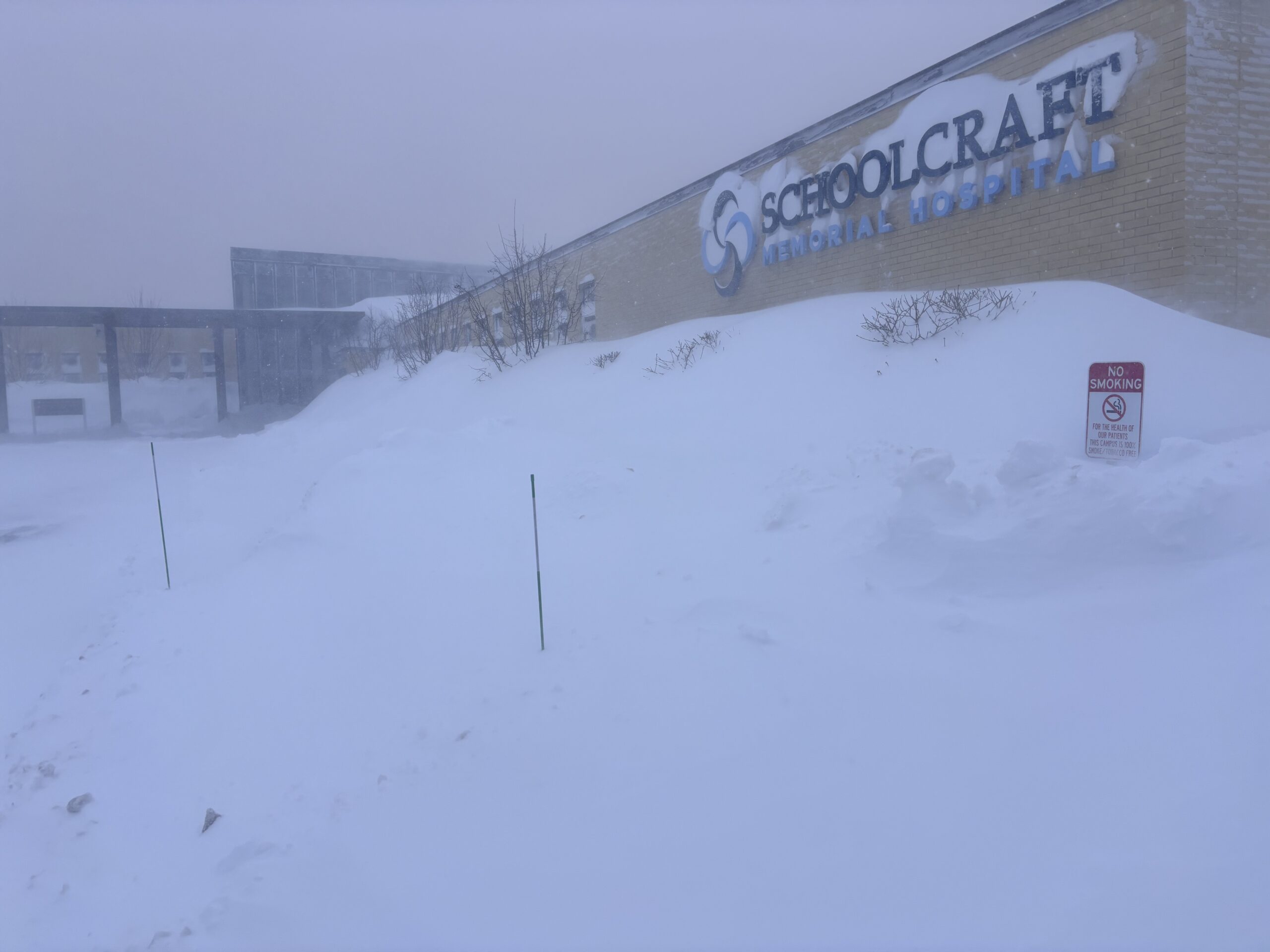
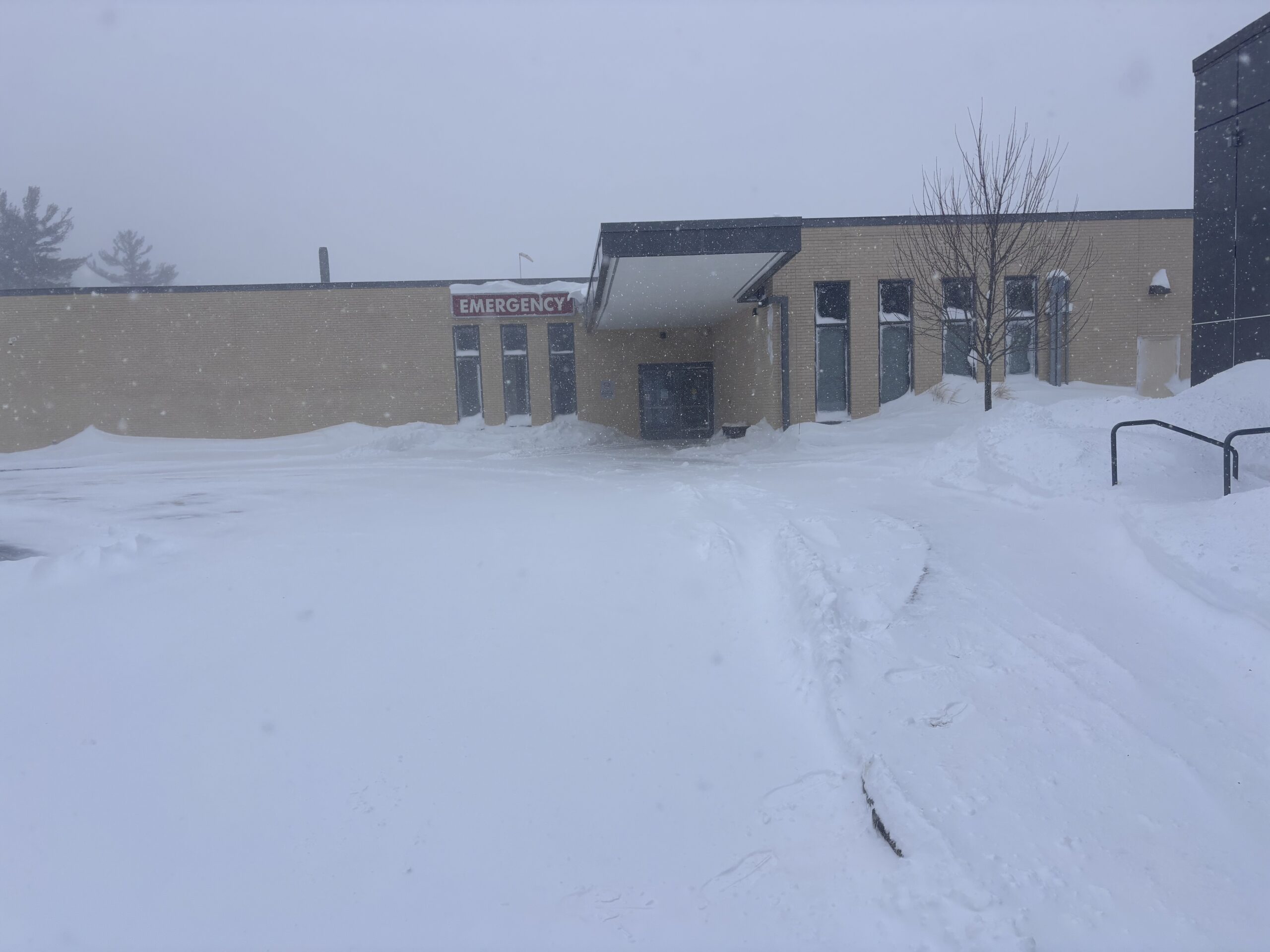
In mid March 2026, a historic blizzard swept across Michigan’s Upper Peninsula, bringing relentless snowfall, high winds, and road conditions that made travel nearly impossible. For days, many roadways throughout Schoolcraft County remained unplowed, isolating communities and disrupting daily life across the region.
For Schoolcraft Memorial Hospital (SMH), the storm created not only operational challenges—but also a significant and still-evolving financial impact.
Yet through it all, one thing never wavered: our commitment to the community.
Prepared to Respond
As conditions rapidly deteriorated, SMH’s leadership team activated the hospital’s Incident Command structure—ensuring a coordinated, real-time response across operations, logistics, finance, communications, and community partnerships.
This level of preparedness allowed the hospital to remain open, organized, and responsive during one of the most severe weather events in recent history.
The Reality of Rural Healthcare
As a Critical Access Hospital, SMH is required by law to remain open with qualified medical professionals available on-site or on-call and maintain Emergency Services 24/7 -regardless of conditions (42 CFR §485.618).
During the height of the storm:
In rural communities like those across the Upper Peninsula, local hospitals are more than healthcare providers—they are essential infrastructure.
When roads close and travel becomes dangerous or impossible, access to care depends on the strength and resilience of local healthcare systems.
Financial Impact—Still Being Evaluated
The storm forced the closure of non-essential services for portions of Friday, Sunday, Monday, and Tuesday—impacting clinic visits, procedures, and outpatient services.
The full financial impact is still being evaluated and is expected to be significant.
At the same time, SMH continued to:
Hospital leadership is actively monitoring the potential availability of state funding to help offset storm-related losses, with more information expected in the coming weeks.
Commitment Over Convenience
Despite financial pressures, SMH made intentional decisions to prioritize people—both patients and employees.
Staff who could not safely travel were supported. Those who could report were recognized and compensated. Patients continued to receive care without disruption.
This reflects a broader truth about rural healthcare:
It is not driven by convenience—it is driven by commitment.
Extraordinary Teamwork
That commitment was evident across the organization.
“The way this team came together during the blizzard—as they always do during adversity—is amazingly impressive,” shared emergency room physician Dr. Steven Vix. “I cannot express in words how proud I am to be a part of this organization.”
Employees worked extended hours, covered additional roles, and supported one another in ways that went far beyond expectations.
From clinical teams to support services, every department played a role in maintaining safe, high-quality care.
Community in Action
Even in the midst of the storm, the strength of the Upper Peninsula community was on full display.
Local law enforcement assisted with staff transportation and patient support. Dietary staff ensured employees were cared for, even while short-staffed themselves. Leadership remained present—checking in, providing meals, and delivering small moments of encouragement during long shifts.
“We take for granted the small, kind, and caring community we live in,” shared Regina Moloney, RN. “The place where your neighbor will help shovel your driveway—and your hospital CEO will buy you a coffee.”
Supporting the Workforce
To ensure continuity of care:
“Schoolcraft Memorial Hospital is just the best hospital to work for—somewhere that truly cares for their employees,” Moloney shared.
Leadership Perspective
Following the storm, CEO Rob Mach recognized the team’s efforts:
“Your dedication, flexibility, and commitment to keeping our operations running smoothly—even under challenging conditions—did not go unnoticed.”
“I’m proud of how our team consistently shows resilience and teamwork when it matters most.”
A Safety Net Worth Protecting
The Blizzard of March 2026 was more than a weather event—it was a reminder of the critical role rural hospitals play in the health and safety of their communities.
In the Upper Peninsula, where distance and weather can quickly become barriers to care, critical access hospitals like Schoolcraft Memorial Hospital are a lifeline.
Even in the face of operational strain and financial uncertainty, SMH remained open, staffed, and ready.
Because for rural healthcare systems, the mission is clear:
No matter the conditions. No matter the cost.
We are here—serving as a safety net for our community.


 906-341-3200


